This long, tiresome week, I’ve opted to conduct an experiment: working out of my Windows partition. Since shoving my Chromebook in a closet ages ago, I’ve usually booted Stark  from my Debian partition. Well, this week I tried a little insanity.

So what worked? Well the important stuff. Namely WSL2 and Docker for Windows now enable me to do the things my Debian partition offers that actually matter. Yay for that. Being a busy week, I kind of put that part of the system through five hundred laps of abuse without a problem.

A very large part of my time revolves around command line environments one way or another, so a lot of my client machine’s job is being a glorified X-Terminal on steroids. Most GUI software I rely on is cross-platform within the desktop family trees, pardoning proprietary bits. Most parts I really care about are terminal friendly; most GUI parts involve interaction with others or specific tasks.

In particular I found it pleasant to have a Evernote’s desktop client. The web client’s not my cup of tea, beyond some of the editing shortcuts it shares with the Android and iOS clients. While most of what I do on my Linux partition was direct and to the point thanks to WSL, Evernote was a big shift.

What didn’t work so hot?

In a very unsurprising shortfall was Bluetooth. Twice I had to totally start from scratch pairing my Bluetooth keyboard and mouse. To be fair, W10 20H1 launched with problems that are supposedly resolved. To be honest I’ve always had trouble with NT and Bluetooth: going as far back as the XP era. By contrast in a decade of combing Bluetooth and Linux: the only issue I’ve had is changing batteries 🤣.

Another is the networking side. Seems like W10 is happy enough to use my static/dns setup for Wi-Fi at work, and DHCP for my Wi-Fi setup at home. It’ll even deal with the DNS suffix at home. But sometimes it thinks my home network has no Internet connectivity because it’s trying to use my work DNS servers with my home connection. I suppose, considering the era NT comes from: I should just be glad that W10 has a concept of different configurations for different wireless connections. But annoying.

Shifting from Davmail / Thunderbird to the various Microsoft things, I mostly have two comments. One: easier setup. Second: different quirks. On the flipside, Davmail has a spectacularly accurate manual. And Thunderbird probably has more bugs and quirks than it’s competition, lol. I could actually replicate my Linux setup on W10, but would rather not during the experiment.

Explorer is probably the gold standard of file managers. Compared to Thunar, it sure is. But I found it amusing how it was a sticking point. On occasion Explorer total death hangs until I eject my SD card. In the kill explorer from taskkill /f and then restart the damned thing just to get my panel back kind of hangs. Although, I’ve probably seen more crashes from X file managers than you can shake a stick at, it’s compensated by *nix having a far superior command line environment.

More minor were things like my internal web server. Easy enough to replicate my simple lighttpd setup in IIS, and to lock it to my connection at work. Most of my stuff is either static, Perl CGI, or bash based; so the only thing that’s not operational with trivial effort is a few CGI scripts done in bash.

And then there’s the part that should really scare me: I didn’t hate the experience. By comparison using Windows 7 and its predecessors generally lead to cursing and gnashing of teeth.

 The Workforce Is About to Change Dramatically

Been kind of curious how this evolves. Longer than the recent pandemic, having grown up in an era where much software development occurred over the Internet. Ironically, much of my need to technically be in the office revolves around some piece of hardware needing to be within reach not around access IT resources. In practice, I tend to prefer working from work, even if it means pants are required.

The ā€˜90s and ā€˜00s likely prepared us for many things being work from home centric. We’re now able to work from home better than ever before for numerous office tasks. I’m sure that’ll just continue to grow with how things have been going regardless of what going back to normal might look like.


Or, you know, maybe not. Perhaps the best argument against the telepresence revolution is not only that people are creatures of habit but also that pandemics have historically done little to arrest the growth of cities and leisure. ā€œThe 80-year trend is that the richer society gets, the more it spends on leisure and hospitality,ā€ says Adam Ozimek, the chief economist at Upwork. 


To this however, I say: ā€œ80 years ago, good luck sitting on your bum playing Xbox!ā€

Reading a page about the local movie theater planning to re-open, I couldn’t help but be amused. In the sense, yes, they’re taking it seriously and have defined sane policies; amused in the sense that I can see what antics are liable to follow.

And then there’s another aspect of the world’s current situation: the notion of releasing film available to rent a stream, ala Amazon. ‘Cuz I’ve only waited about thirty years for Instant Cassettes to be a thing.

Passing Thoughts: BIMF

Someday someone needs to create a build tool called BIMF: Build It Mother Fucker.

Bonus points if you get Samuel L. Jackson to provide voice over for your error messages 🤣

The scale of getting things done:

  1. Urgent and important.
  2. Urgent but not important.
  3. Not urgent but important.
  4. Not urgent and not important.
Or for a visual que let’s borrow one from Wikipedia:
While it took me a long time to learn about the connection to president Eisenhower, I’ve generally found this decision matrix a pretty good way for classifying things. It works really well. Because urgency controls attention, and importance determines making sure it happens, which leads to much doing.
And then there’s what I call The Class 5 Full Roaming Vapor–something that is not urgent, but is important, and that makes you feel like having a shot of whiskey in the mean time. These kinds of things: you can kinda picture smack dab in the middle of the chart, lol.

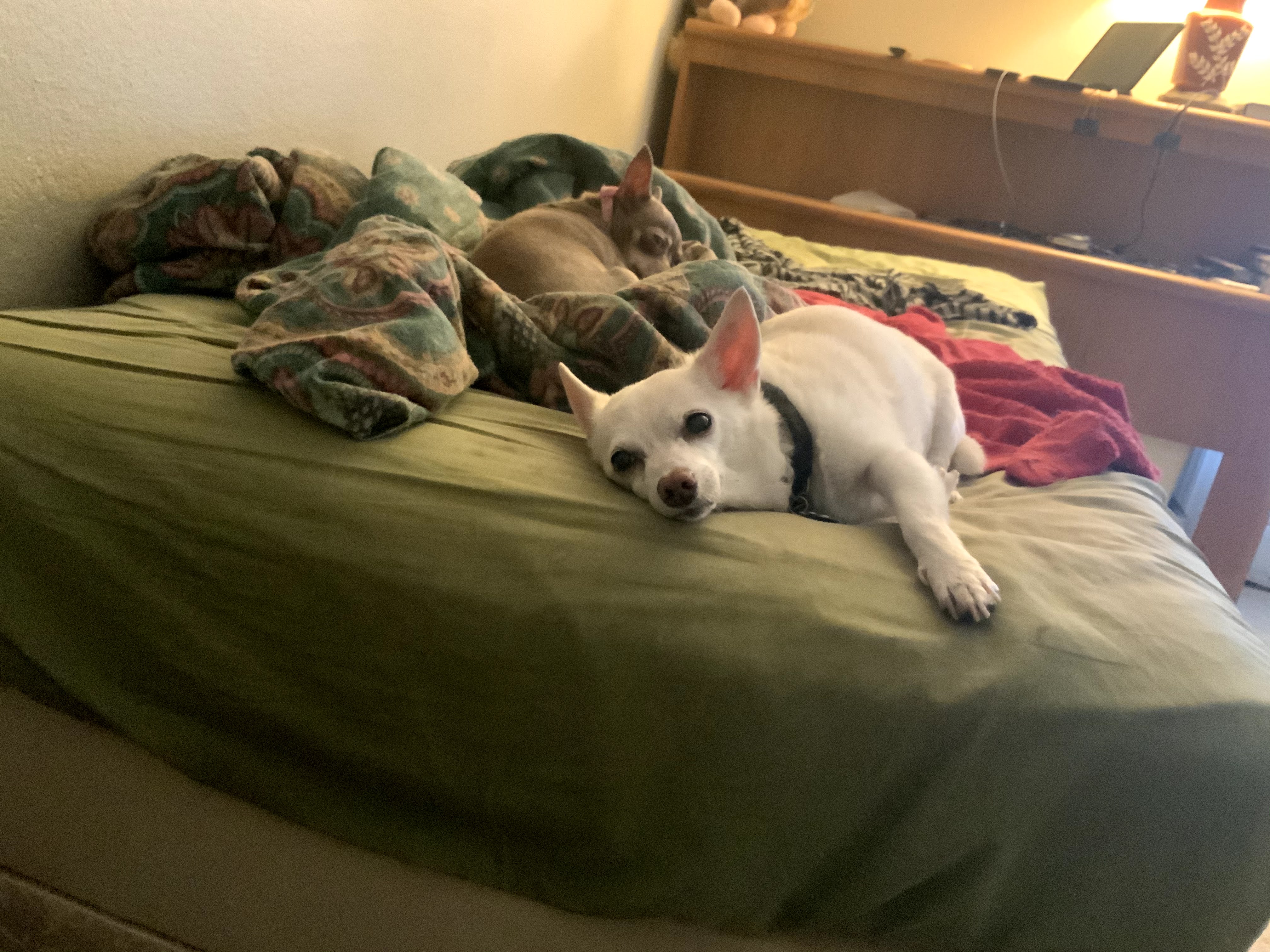
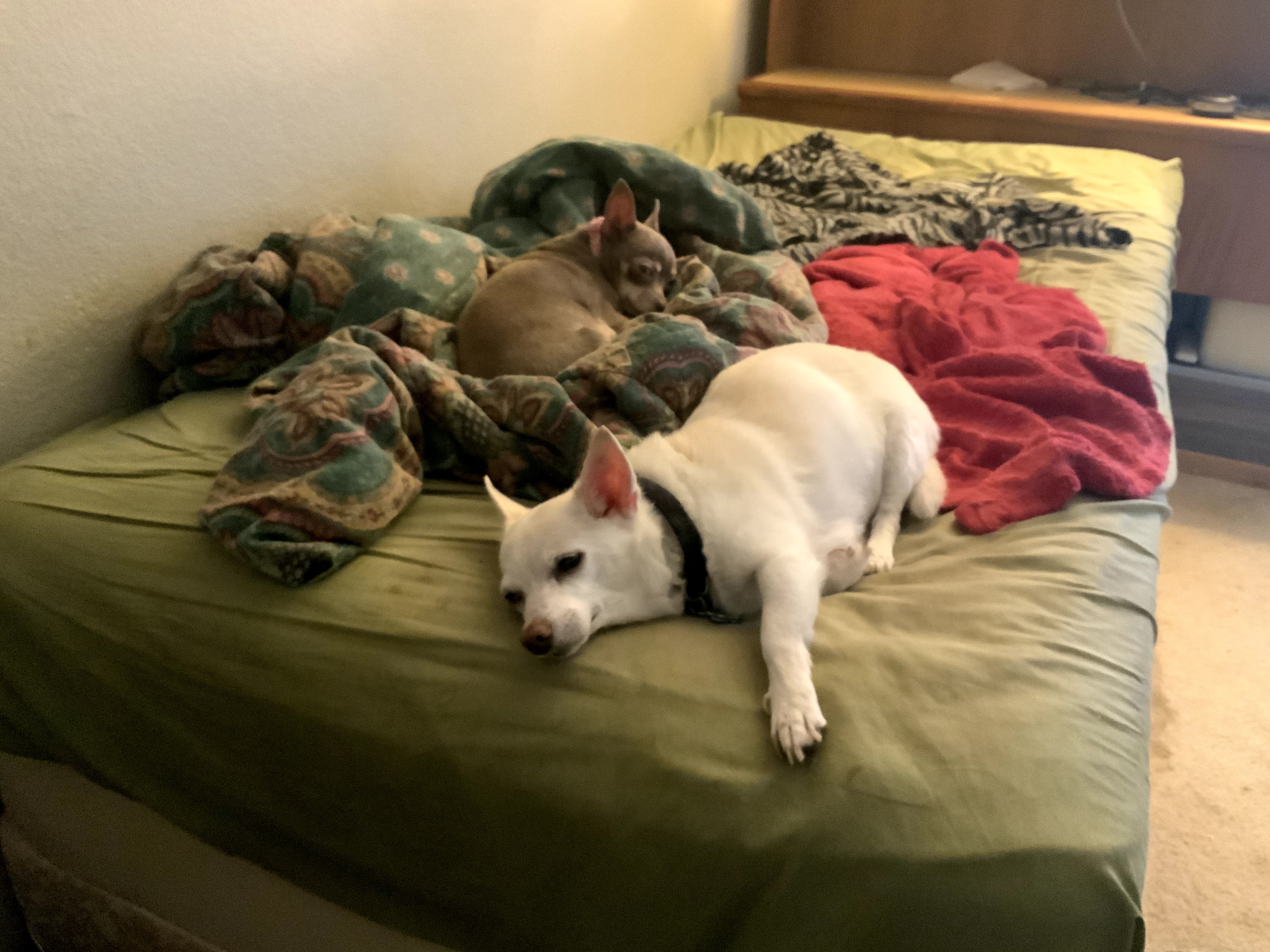
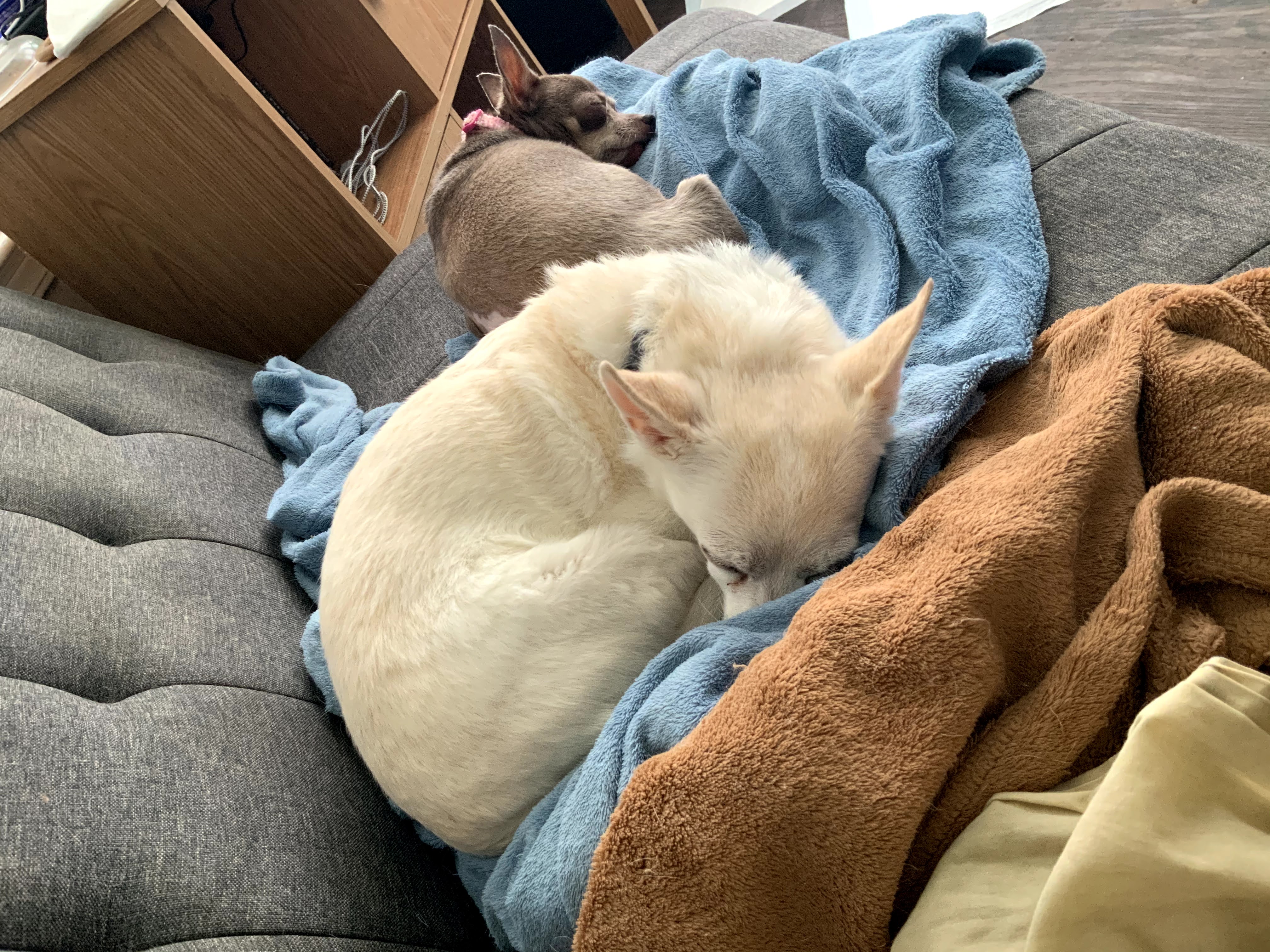
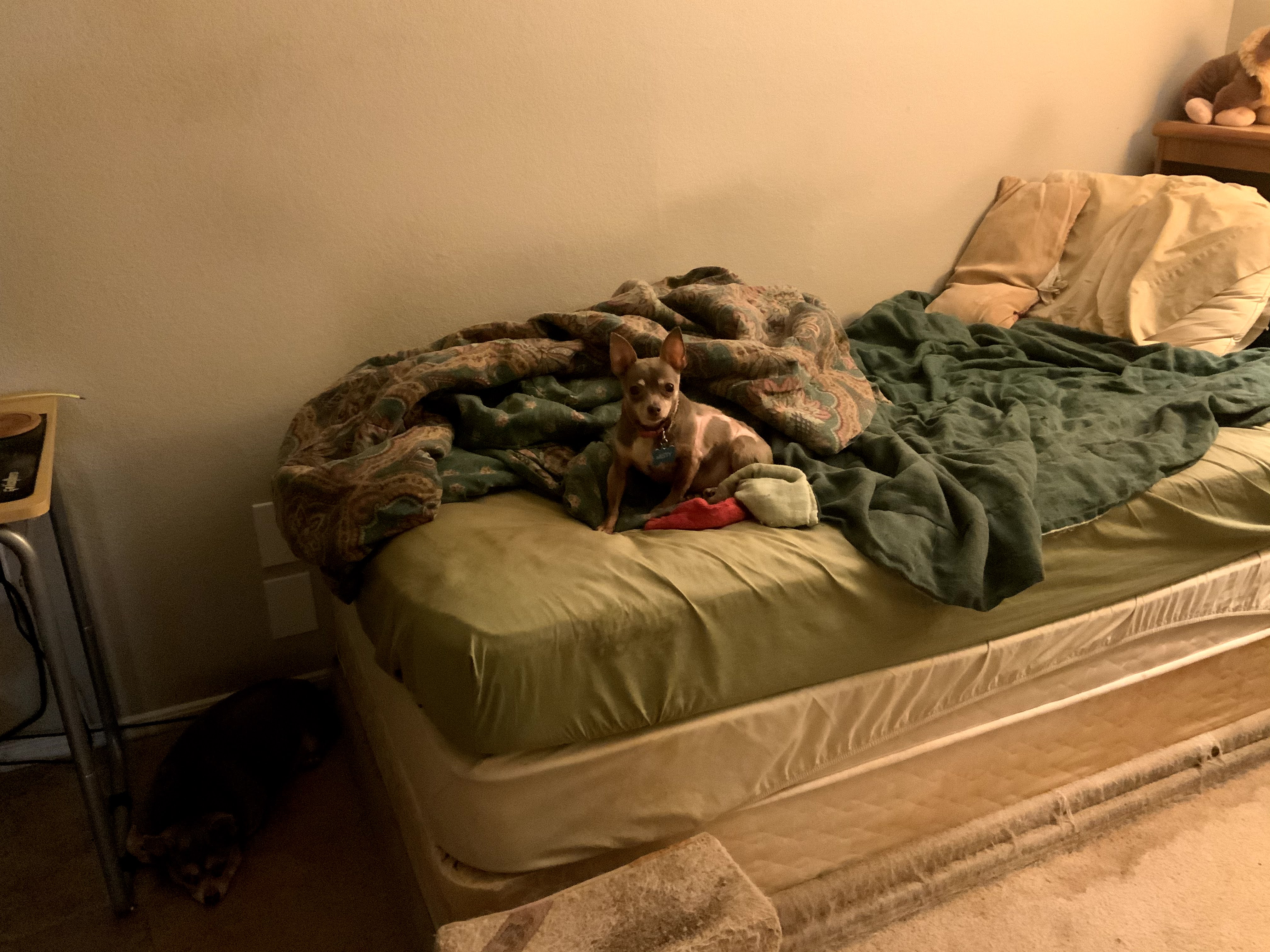
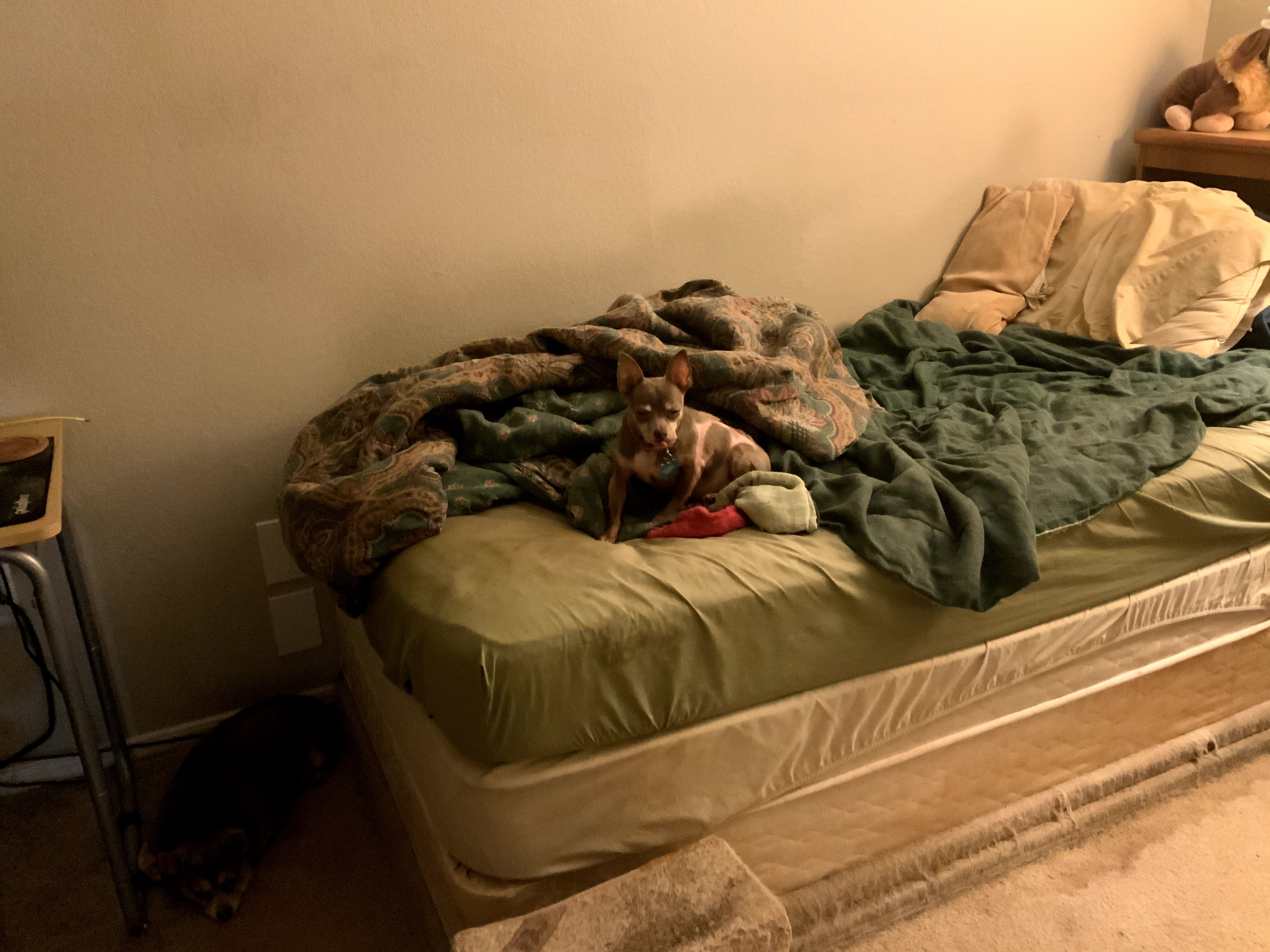
There are times when I get up, and think it’s almost sad to disturb such a comfortable goonie bird with fur.

Basically spent the night with Willow where my leg goes, Corky by my opposite hip, and Misty in her spot to my left. Which she had to vacate as part of getting up. But comfortable Willow was moving for no body, lol.

And then there are times when I think I ought to dispense treats after breakfast: less I someday meet my death at their paws, lol.

I Tried to Live Without the Tech Giants. It Was Impossible.

Most people don’t go to such an extent to avoid the big tech companies, even for an experiment it is a bit super thorough. But makes a solid point.
ā€œCritics of the big tech companies are often told, ā€œIf you don’t like the company, don’t use its products.ā€ My takeaway from the experiment was that it’s not possible to do that. It’s not just the products and services branded with the big tech giant’s name. It’s that these companies control a thicket of more obscure products and services that are hard to untangle from tools we rely on for everything we do, from work to getting from point A to point B.ā€
Perhaps the question we really should be asking ourselves is whether or not these companies are a necessary evil.
Would such services exist, or be anywhere near as good without the help of such companies? Miss Hill points out the dominance of Google Maps and the interaction with things like Uber, and I think that’s kind of key. We had GPS navigation long before we had Google Maps and smart phones, but which would you rather use? Part of what made Google Maps what it is today is the insane investment: sending people and hardware off into the wild blue yonder to build a better dataset than simply importing maps and satellite photos could. Who the hell has that much money? Well, Google did. Some clown in their parents garage might be able to kick start the next Apple or Amazon, but they’re not going to be able to afford to run Google Streetview without monopolistic funding.
As things worked out, I’d say Amazon turned out to be a pretty great idea. But twenty six years ago: we’d probably forgive you for thinking Bezos was crazy instead of anticipating he would become several times richer than God, building one of the world’s most well known enterprises along the way.
See, we build our success upon the success of others—and our success is often in enabling others to succeed. The question is can we do that without the ginormous bankrolls and the infrastructure that entails.
I’d like to think we have yet to see the last great American tech company. But without a governmental strongarm, I don’t think we will ever see these empires displaced. Not until landmark paradigm shifts cause them to exit a market, or for profitability sake they choose to exit or destroy one. You’re not going to beat Google Maps unless they’re incompetent and you’re hyper lucky and clever at just the right time: or they choose to shutter the entire operation. That’s just how it works at scale.
Yes, I’m pretty sure that we should refer to them as monopolies. But are they ones we need, or are they ones we can ill afford? As someone who long resisted Google and Facebook, I find that a very intriguing question.